
4-Day Lares Trek: The Details at a Glance
Before you lace up your boots, here is everything you need to know about the journey ahead. We’ve designed this trek to be safe, rewarding, and culturally rich.
| Quick Stats | The Specifics |
 Duration Duration | 4 Days / 3 Nights |
 Difficulty Difficulty | Moderate to Hard (Rewarding!) |
 Total Distance Total Distance | 34km / 21 miles |
 Highest Altitude Highest Altitude | 4,600m / 15,902ft (Ipsaycocha Pass) |
 Starting Point Starting Point | Cusco (Trek starts in Lares Valley) |
 Group Size Group Size | Small & Intimate (Min 2, Max 12) |
 Departures Departures | Daily (with min. 2 travelers) |
 Coldest Night Coldest Night | Day 1 (Approx. 0°C / 32°F) |
Who is this trek for?
Perfect for adventure lovers, couples, nature enthusiasts, and families who are ready for a bold exploration. If you want to see the Andes without the crowds, this is your path.
Why This 4-Day Adventure is Unmissable
Remote & Authentic: Experience the Andes as they have been for centuries. Hike through remote villages, meet local families, and support our sustainable tourism initiatives.
Comfort in the Wild: Just because we are camping doesn’t mean we compromise on quality. Enjoy high-standard camping gear and delicious meals prepared fresh by our mountain chefs.
Small Group Experience: With a maximum of 12 people, you get personalized attention from our expert guides and a closer connection with your fellow adventurers.
The Ultimate Finale: Reach Machu Picchu the way the Incas intended—on foot and filled with anticipation.
Safety First: Our guides handle every detail, from oxygen availability to route management, so you can focus on the memories.
Your Journey: A Short Itinerary
Day 1: The Warm Welcome
Cusco – Lares Hot Springs – Wacawasi
We begin with a scenic 3.5-hour drive to the Lares Valley. Dip into the medicinal Lares Hot Springs to relax your muscles before starting a gradual 4-hour hike. We camp in the charming community of Wacawasi, surrounded by local culture.
Day 2: The Challenge
Wacawasi – Ipsaycocha Pass – Patacancha
Today is the longest and most rewarding day (approx. 16km). We conquer the trek’s highest point at 4,600m, offering breathtaking panoramic views of the Andes. Afterward, we descend to our campsite at Patacancha for a well-earned rest.
Day 3: The Descent into History
Patacancha – Ollantaytambo – Aguas Calientes
Enjoy a gentle descent through picturesque communities and discover unexplored Incan ruins along the way. In the afternoon, we take a scenic 2-hour train ride to Aguas Calientes, where a comfortable hotel and a hot shower await.
Day 4: The Wonder of the World
Machu Picchu – Cusco
Rise early to catch the morning light over Machu Picchu. You’ll have a guided tour followed by free time to explore the citadel’s mysteries on your own. In the afternoon, we return to Cusco by train, hearts full of memories.
Essential Tips for a Successful Trek
To ensure you enjoy every step of the Lares Trek, here is our expert advice on how to prepare:
** acclimatize Smartly:** The altitude is real! We recommend spending at least 2 days in Cusco before your trek to adjust to the thin air.
Pack for Four Seasons: The Andes weather is unpredictable. Bring layers (base layers, fleece, waterproof jacket) and ensure your hiking boots are sturdy and broken in before you arrive.
Stay Fueled: We provide great food, but pack a water purification bottle and your favorite energy snacks for the trail.
Cultural Respect: You are a guest in these mountain communities. Please ask before taking photos of locals and support them by purchasing their handmade artisan crafts.
Get Physically Ready: This is a moderate-to-hard trek. Regular cardio and leg exercises in the weeks leading up to your trip will make the hiking much more enjoyable!
Detailed Trek Itinerary
Day 1: The Adventure Begins – Ruins, Relaxation, and the Road Less Traveled
Route: Cusco ➔ Calca ➔ Lares Hot Springs ➔ Wacawasi
Your journey into the heart of the Andes starts now.
We will pick you up from your hotel in Cusco bright and early at 5:30 AM. As the city wakes up, we’ll head out on a scenic 3-hour drive through the Sacred Valley in our private tourist bus.
Morning: History & Breakfast
Our first stop is the town of Calca for a delicious breakfast and a chance to pick up any last-minute snacks or essentials. From there, we dive straight into history with a 45-minute visit to the Ancasmarka Incan Ruins. Here, you will explore ancient storehouses (Qolcas) and get your first taste of the region’s fascinating past.
Mid-Day: Soak Your Cares Away
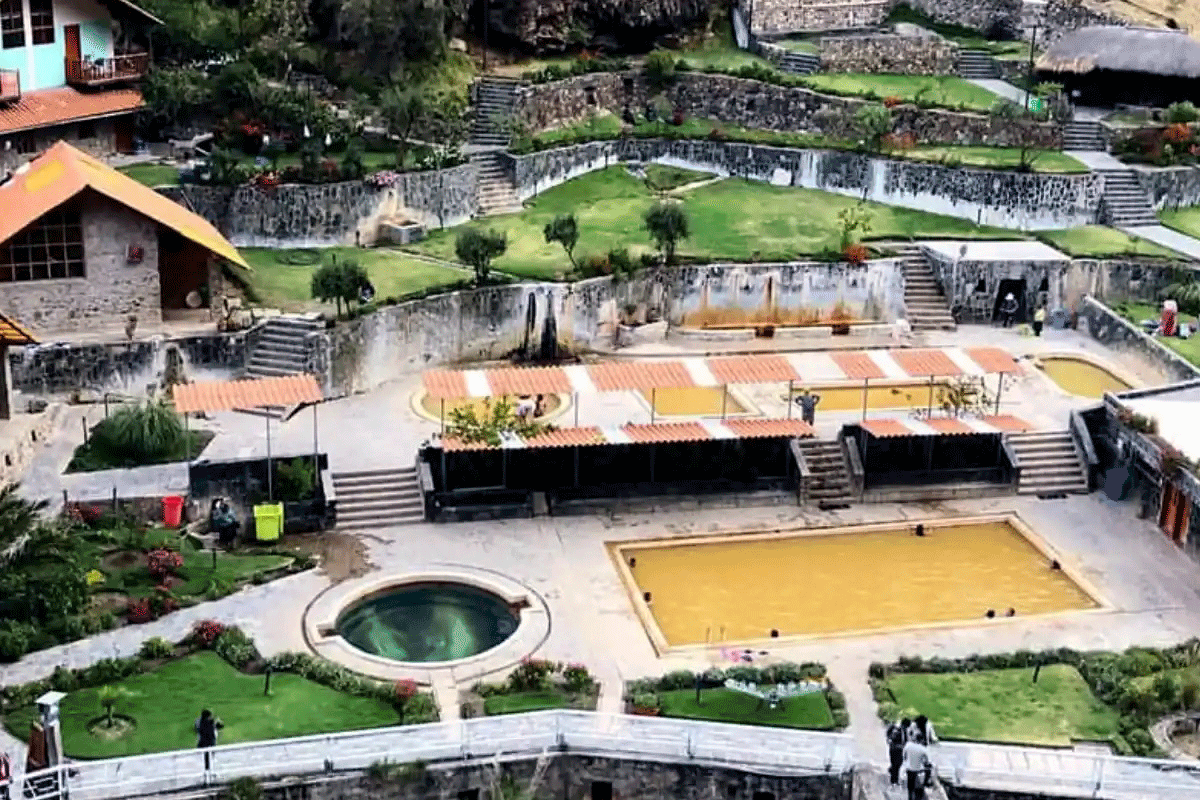
Next, we arrive at the famous Lares Hot Springs. These natural volcanic baths are renowned for their medicinal properties—perfect for soothing your muscles before the hike begins. While you relax in the warm waters, our mountain chef will prepare a fresh, nutritious lunch to fuel you for the afternoon.
Afternoon: The First Steps
Refreshed and energized, we begin our trek. Today’s hike is a moderate 4-hour journey alongside a winding river. As you ascend, keep your camera ready for the stunning tapestry of the Andean landscape, filled with vibrant fields of potatoes, corn, quinoa, and beans.
Evening: Camping Under the Stars
We end the day at the charming community of Wacawasi (3,700m). You won’t need to lift a finger—our support team will have your tents pitched and ready. We’ll welcome you with a hot «tea time» followed by a hearty dinner prepared by our chef. Spend the evening sharing stories with your guide or simply relaxing in your tent for a restful night’s sleep.
Day 1: Key Trekking Stats
| Feature | Details |
| 🥾 Walking Time | Approximately 4 Hours |
| 📏 Distance | 10km / 6.2 miles |
| ⬆️ Max Altitude | 3,700m / 12,139 ft (Wacawasi Camp) |
| ⬇️ Min Altitude | 3,100m / 10,170 ft (Lares) |
| 🍽️ Meals | Lunch, Tea Time, Dinner |
| ⛺ Accommodation | Comfortable Camping at Wacawasi |
| 🌟 Highlight | Soaking in the medicinal Lares Hot Springs |
Day 2: The Summit Challenge – Reaching the Top of the Andes
Route: Wacawasi ➔ Ipsay Pass ➔ Patacancha
Today is the day you conquer the mountain.
We rise early for a hearty breakfast to fuel our bodies for the most challenging—and most rewarding—day of the Lares Trek. Today, we journey through the heart of the Andes, traversing landscapes so rugged and beautiful they feel almost unreal.
Morning: The Climb to Ipsay Pass
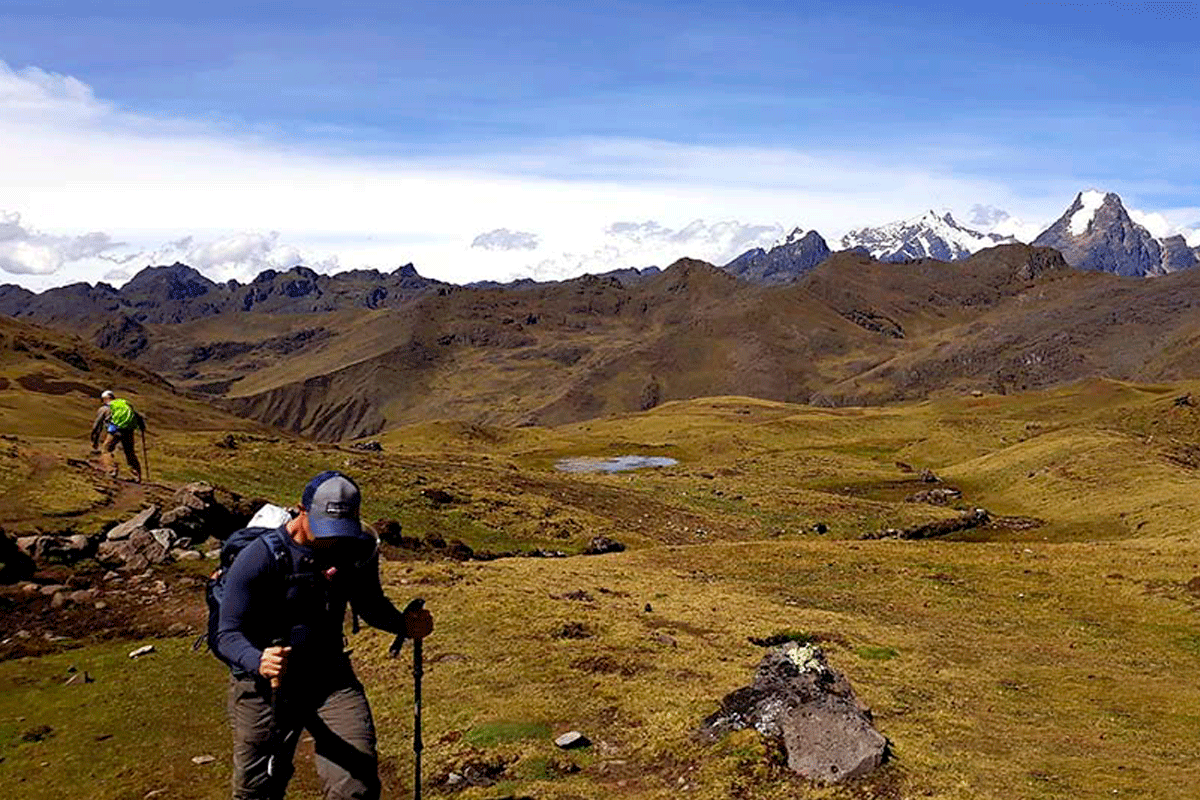
The trail begins with an ascent toward the highest point of our trek: the Ipsay Pass (4,550m / 15,017ft). While the hike tests your physical endurance, the surroundings provide constant motivation. You will hike alongside free-roaming llamas and alpacas, passing through the ancestral lands of the Andean people.
Mid-Day: On Top of the World
Reaching the summit is a moment of pure triumph. At 4,550m, you are rewarded with breathtaking 360-degree views of snow-capped peaks (Veronica and Pitusiray mountains) and shimmering glacial lakes. Take a deep breath and soak it in—this is why you came to Peru.
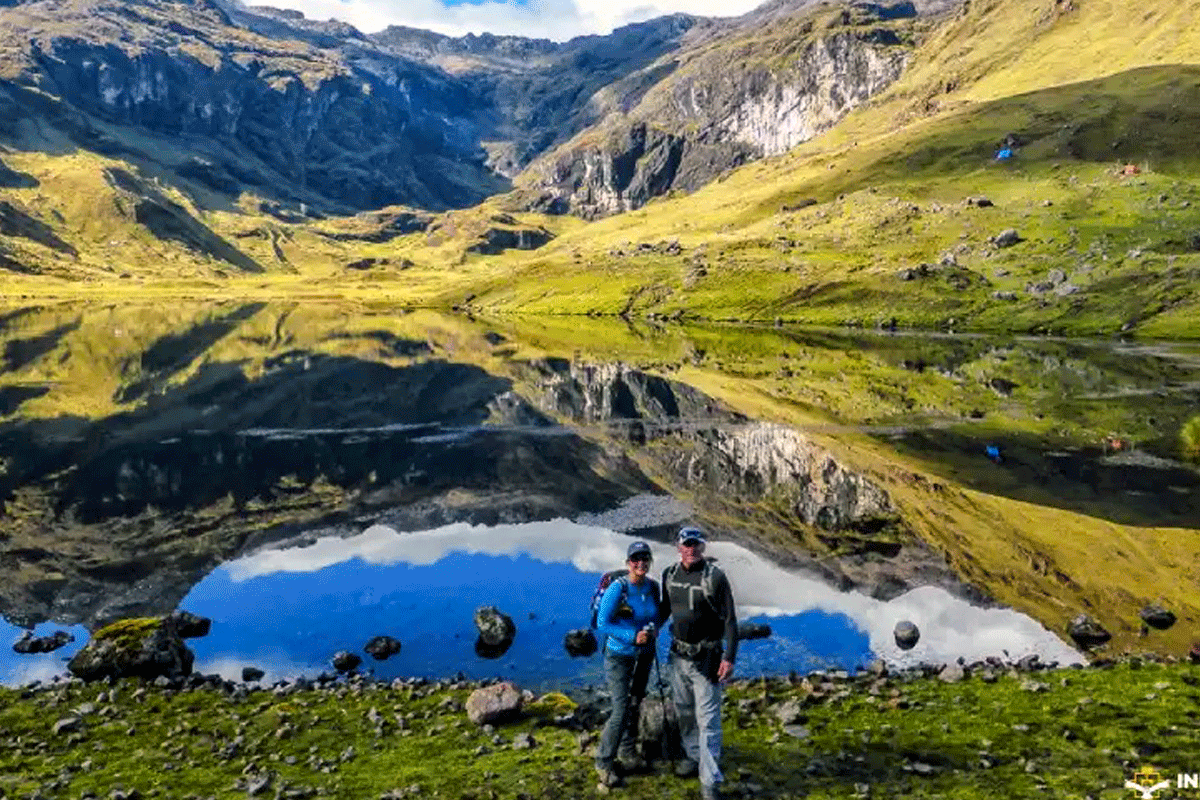
Just below the pass, we will stop at the stunning Ipsay Lagoon for a well-deserved lunch prepared by our trekking chef in the midst of nature.
Afternoon: Descent into Culture
After lunch, we begin a gradual descent. This section of the trail offers a unique opportunity to interact with local villagers—direct descendants of the Incas who maintain the rich history and weaving traditions of the area.
Evening: Rest in Patacancha
We arrive at our campsite in the community of Patacancha (3,750m) in the late afternoon. After a long day on the trail, you can relax with a hot drink and a delicious dinner before settling into your tent for a peaceful night’s sleep under the Andean sky.
Day 2: Key Trekking Stats
| Feature | Details |
| 🥾 Walking Time | 7 – 8 Hours (The longest day) |
| 📏 Distance | Approx. 15km / 9.3 miles |
| ⬆️ Max Altitude | 4,550m / 15,017 ft (Ipsay Pass) |
| ⬇️ Min Altitude | 3,750m / 12,303 ft (Campsite) |
| 🍽️ Meals | Breakfast, Lunch, Dinner |
| ⛺ Accommodation | Camping at Patacancha |
| 🌟 Highlight | Conquering the Ipsay Pass & Glacial Lakes |
Day 3: Living Culture & The Gateway to Machu Picchu
Route: Patacancha ➔ Willoc ➔ Ollantaytambo ➔ Aguas Calientes
From the high peaks to the cloud forest.
After two days of high-altitude adventure, Day 3 offers a change of pace and scenery. Today, we descend from the rugged mountains into the lush, green Urubamba Valley, ending our journey in the town at the foot of Machu Picchu.
Morning: The Valley of History
We begin with a delicious breakfast before starting our descent through a vibrant agricultural valley. As we hike, you will be surrounded by colorful patchwork fields of native crops—potatoes, quinoa, lima beans, and oxalis—cultivated just as they were in Incan times.
A highlight of the morning is passing through the traditional villages of Willoc and Pumamarka. Here, Incan traditions are still very much alive. We will visit a local primary school in Patacancha (school schedule permitting) to hear the children speak Quechua, the ancient language of the Incas. It is a heartwarming opportunity to connect with the local community.
Mid-Day: The Living Inca City
After a scenic 4-hour hike, we arrive in Ollantaytambo, known as the «Living Inca City» because its streets and canals have remained unchanged for centuries. Here, we will enjoy a well-deserved lunch at a local restaurant. You will have time to explore the cobblestone streets, admire the massive stone terraces, or simply rest your legs.
Afternoon: The Scenic Train Ride
In the afternoon, we trade our hiking boots for a comfortable seat on the tourist train. The 2-hour journey to Aguas Calientes is breathtaking. Keep your eyes on the window as the landscape transforms from dry mountains to the lush, green vegetation of the high jungle.
Evening: Comfort in Aguas Calientes
Upon arrival in Aguas Calientes (Machu Picchu Town), we check you into a comfortable hotel. You can enjoy a hot shower and a relaxing dinner at a local restaurant while planning your excitement for the big day tomorrow: Machu Picchu!
Day 3: Key Trekking Stats
| Feature | Details |
| 🥾 Walking Time | Approx. 4 Hours (Mostly Downhill) |
| 📏 Distance | Approx. 14km / 8.7 miles |
| ⬆️ Max Altitude | 3,900m / 12,795 ft (Start of day) |
| ⬇️ Min Altitude | 2,040 m / 6,692 ft (Aguas Calientes) |
| 🍽️ Meals | Breakfast, Lunch, Dinner |
| 🏨 Accommodation | Hotel in Aguas Calientes |
| 🌟 Highlight | Visiting the local school & the scenic train ride |
Day 4: The Grand Finale – Machu Picchu & Return to Cusco
Route: Aguas Calientes ➔ Machu Picchu ➔ Ollantaytambo ➔ Cusco
The moment you have been waiting for.
Today, we wake up early to experience one of the New Seven Wonders of the World. The excitement in the air is palpable as we prepare to visit the Lost City of the Incas.
Morning: The Ascent to the Citadel
We start with an early breakfast at the hotel. You can securely store your main luggage at the hotel reception, allowing you to travel light with just your daypack.
The bus station is just 5 minutes away, and we aim to catch one of the very first buses up to the sanctuary. The scenic 25-minute ride winds up the mountain, offering teasers of the views to come.
Important: Please have your original passport and entrance ticket ready for the checkpoint!
Mid-Day: Guided Tour of Machu Picchu
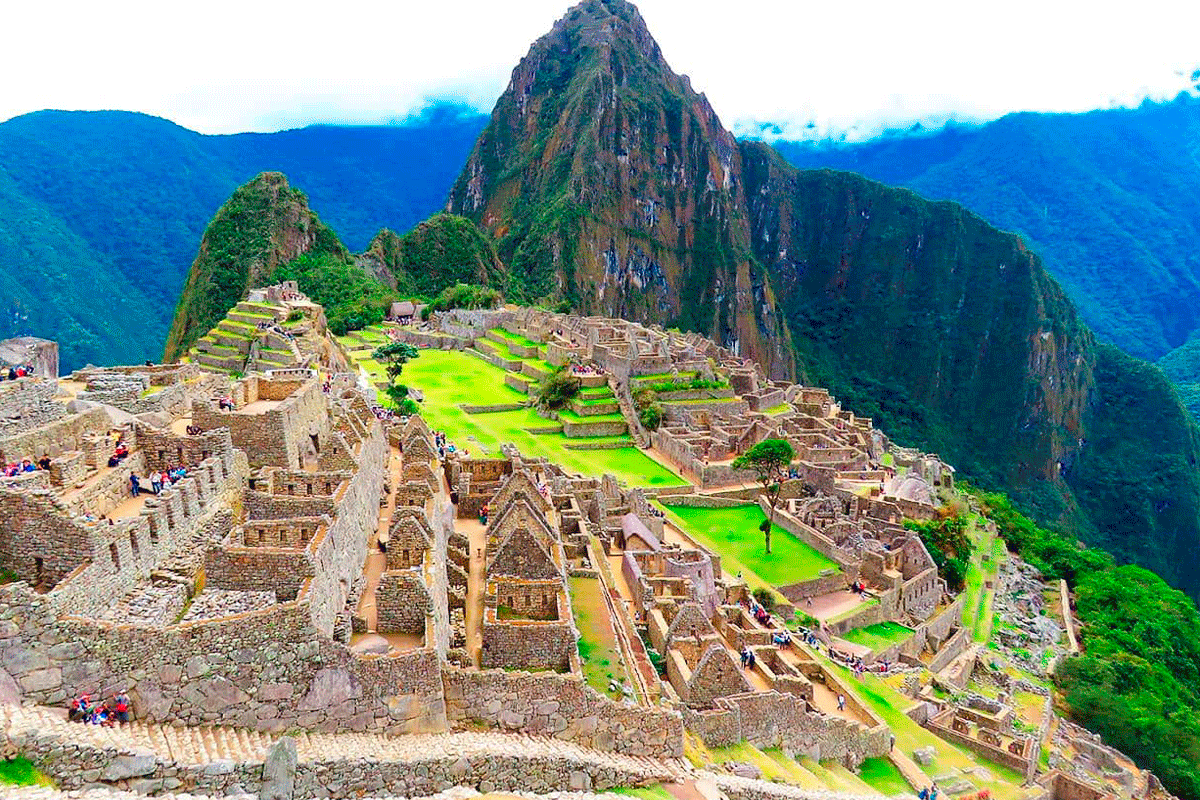
Upon entering the citadel, the fog lifts to reveal the stone city in all its glory. Your expert guide will lead you on a fascinating 2–3 hour walking tour. You will visit the most significant sites—temples, fountains, and royal quarters—while learning the captivating history of how the Incas built this masterpiece in the clouds.
Optional Add-On: If you have booked a permit for Huayna Picchu Mountain or Machu Picchu Mountain in advance, this is your time to conquer those peaks for a bird’s-eye view of the ruins. Otherwise, take some time to soak in the energy of the site and capture those once-in-a-lifetime photos.
Afternoon: The Journey Home
After filling your camera roll and your spirit, we take the bus back down to Aguas Calientes. You will have time for a delicious lunch (not included) in the town.
At 2:55 PM, we board the train to Ollantaytambo. Sit back and relax as the river rushing beside the tracks guides us home. From Ollantaytambo, our private transport will be waiting to drive you back to Cusco, dropping you off at your hotel around 7:30 PM.
Day 4: Key Trekking Stats
| Feature | Details |
| 🏰 Activity | Guided Tour of Machu Picchu |
| ⏱️ Tour Duration | 2 – 3 Hours |
| ⬆️ Max Altitude | 2,430m / 7,972 ft (Machu Picchu) |
| 🚅 Train Departure | 2:55 PM (to Ollantaytambo) |
| 🚐 Cusco Arrival | Approx. 7:30 PM |
| 🍽️ Meals | Breakfast (at hotel) |
| 🎒 Essentials | Original Passport, Daypack, Camera |
All-Inclusive Adventure: What’s Included in Your Trek
We handle the logistics so you can focus on the journey. At Lares Trek to Machu Picchu, we pride ourselves on providing a premium service. From the moment you book until we drop you off at your hotel, we take care of every detail.
 The Essentials (Permits & Transport)
Pre-Departure Briefing: A meetup with your guide the evening before the trek (6:00 PM or 7:00 PM) to check your gear and answer final questions.
Door-to-Door Transport: Private morning pick-up from your Cusco hotel and transport to the Lares trailhead.
Machu Picchu Tickets: Entrance ticket to the UNESCO World Heritage site.
Bus & Train: One-way bus ticket from Aguas Calientes up to Machu Picchu. Return Expedition train from Aguas Calientes to Ollantaytambo, followed by private transport back to your hotel in Cusco.
 Camping & Accommodation
Comfortable Tents: We use high-quality 4-season tents. To ensure you have plenty of space for your gear, we sleep only 2 people in a 4-person tent.
Hotel Stay: Spend your final night in a comfortable hotel in Aguas Calientes (private room with hot shower and Wi-Fi).
Camp Amenities: We provide foam mattresses, a dining tent with tables and chairs, a kitchen tent, and a private toilet tent for the group.
Duffel Bag Service: We provide a duffel bag for your personal items (up to 7kg/15lbs per person, including your sleeping bag/pad) to be carried by our pack animals.
 Support Team & Safety
Expert Guides: English-speaking, medically trained guides. (Groups over 9 people receive 2 guides).
Mountain Chef: A dedicated chef to prepare fresh, hot meals.
Pack Animals: Horses/mules to carry all camping gear and food.
Safety Net: We provide an Emergency Horse on Day 2 to assist anyone struggling with the altitude.
Medical Kit: Includes an emergency oxygen bottle and first-aid supplies.
 Food & Drink
Full Board: 3 Breakfasts, 3 Lunches, 3 Dinners.
Daily Extras: Morning snacks and afternoon «Tea Time» (Happy Hour) with hot drinks and popcorn/biscuits.
Hydration: Boiled, cooled water provided every morning, lunch, and evening to refill your bottles. Warm water provided in bowls for washing up.
Dietary Needs: Vegetarian, vegan, gluten-free? No problem. We cater to special diets at no extra cost.
 What is Not Included
Just a few things to plan for:
Sleeping Bag: Please bring your own suitable for -10°C. (Available for rent at our office: $20).
Day 1 Breakfast: Most hotels provide this, or we can stop in Calca.
Lares Hot Springs Fee: The entrance fee is small (15 Soles / approx. $6 USD) and paid directly at the site.
Final Lunch (Day 4): Lunch in Aguas Calientes after the Machu Picchu tour is not included. (Budget approx. $20–$35).
Huayna Picchu Hike: Optional extra hike inside Machu Picchu ($65 – must be booked in advance).
Tipping: Tips for the crew are voluntary and 100% at your discretion.
Master Your Packing List: Hiking Equipment & Essentials
The secret to a great trek? The right gear. Whether you are a seasoned mountaineer or a first-time adventurer, being prepared is the key to enjoying the Lares Trek. The Andes are famous for their unpredictable weather—you might experience warm sunshine, strong winds, and a chilly rain all in one afternoon!
To ensure you stay warm, dry, and comfortable, we have curated this essential packing guide.
1. The Golden Rule: Layer Up!
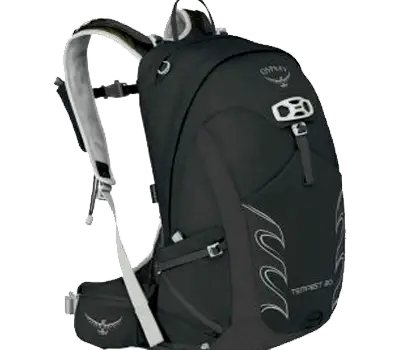 In the mountains, bulky coats are out; layers are in. This system allows you to easily adjust your body temperature as the weather changes.
Base Layers: Moisture-wicking tops and bottoms (synthetic or merino wool) are your second skin. They keep you dry by drawing sweat away from your body.
Mid-Layers: Your insulation. A good fleece jacket or a down vest creates a barrier of warmth against the mountain air.
Outer Shell: A high-quality waterproof and windproof rain jacket (and pants) is non-negotiable. It protects you from the elements.
Hiking Pants: Choose lightweight, quick-drying trousers that allow for easy movement. (Zip-off pants are great for sunny mornings!).
Head & Hands: A warm beanie and thermal gloves are essential for the freezing early mornings and high passes.
2. Happy Feet, Happy Trekkers
 Your feet will be doing the heavy lifting, so treat them well.
Hiking Boots: These must be broken in before you arrive! Choose waterproof boots with good ankle support and rugged traction for uneven terrain.
Camp Shoes: After 7 hours of hiking, you will love slipping into a pair of lightweight sneakers or sandals to let your feet breathe at the campsite.
Trekking Socks: Bring plenty of merino wool or synthetic hiking socks. Avoid cotton, which causes blisters when wet.
3. Essential Gear & The Backpack
You will carry a daypack, while our horses carry your heavy gear. Here is what you need:
Daypack: A comfortable pack (20-30L) with adjustable straps to carry your water, rain jacket, camera, and snacks.
Sleeping Bag: Rated for -10°C / 14°F. It gets cold at night! (Available for rent if you don’t have one).
Trekking Poles: Highly recommended! They save your knees on steep descents and provide stability on rocky paths.
Headlamp: Hands-free lighting is essential for navigating the campsite at night and for early morning starts.
Hydration: A reusable water bottle or hydration bladder (CamelBak). Staying hydrated is the best way to prevent altitude sickness.
4. Health & Hygiene
Small items that make a big difference in your comfort.
Sun Protection: The sun is stronger at high altitudes. Pack high-SPF sunscreen, lip balm, broad-brimmed hat, and polarized sunglasses.
First Aid Kit: We carry a main kit, but please bring a personal mini-kit with blister pads (Moleskin), band-aids, and personal medication.
Toiletries: Toilet paper, wet wipes (biodegradable preferred), and hand sanitizer are crucial for hygiene on the trail.
Quick-Dry Towel: Lightweight and compact—perfect for washing up or a quick dip in the hot springs!
💡 Pro Tip from Our Guides:
«Pack Light, Pack Smart.» Remember, you have a weight limit for the duffel bag carried by the horses (usually 6kg). Prioritize functional items over fashion. If you are unsure about a specific item, just ask us during your briefing!
Invest in Your Adventure: Transparent Pricing
Daily Departures | Small Groups | No Hidden Fees
We believe in honest pricing for an unforgettable experience. Whether you join a group or prefer a private trek, we offer competitive rates that include top-tier service, professional guides, and the logistics of your journey.
1. Standard Group Service
Perfect for solo travelers, couples, and friends willing to make new friends.
| Train Service | Price Per Person |
| Expedition Class (Standard) | US $520 |
| Vistadome Class (Panoramic) | Upgrade Available (Ask us) |
| Hiram Bingham (Luxury) | Upgrade Available (Ask us) |
-
What’s Included: Double or Triple accommodation and 7kg (15lbs) of personal porterage for your duffel bag (carried by our horses).
-
Group Size: Minimum 2 people to depart.
2. Private & Customized Departures
Want more privacy? Choose a private trek for your family or group of friends. Available upon request for any date.
| Group Size | Price Per Person |
| 2 – 3 People | US $680 |
| 4 – 5 People | US $580 |
| 6+ People | US $540 |
3. Customize Your Experience (Optional Add-ons)
Tailor your trek to your specific needs with these optional extras:
-
Walking Sticks: US $10.00 (Pair for the entire trek).
-
Single Tent Supplement: US $25.00 (If you prefer your own tent).
-
Personal Riding Horse: US $30.00 per day (Ride when you get tired).
-
Hotel Upgrade: Want luxury in Aguas Calientes? We can upgrade your hotel upon request.
4. Student & Youth Discounts
We love encouraging young explorers!
(Please note: Valid documentation is required at the time of booking)
-
 Students: $25.00 OFF (Must have a valid physical International Student Identity Card – ISIC).
 -
 Children: $30.00 OFF (Ages 10 and under. Passport copy required).
Booking Essentials: How to Secure Your Spot
Ready to lock in your dates? Here is our simple booking process.
Step 1: The Deposit
To confirm your reservation and secure your permits, we require a 30% non-refundable deposit of the total tour cost.
-
Why is it non-refundable? This deposit is used immediately to purchase entrance tickets and train permits, which are strictly non-transferable and non-refundable by the Peruvian government.
-
Payment Methods: Western Union, PayPal, or Direct Bank Transfer.
(Note: Transaction fees for international transfers are covered by the client).
Step 2: Confirmation
Once we receive your deposit, we will send you a formal Booking Confirmation via email. Your adventure is officially on the calendar!
Step 3: The Final Balance
The remaining balance is due upon your arrival in Cusco, 48 hours before your trek begins.
-
Payment: We prefer cash (US Dollars or Peruvian Soles) paid during your pre-trek briefing at our office or your hotel.
 A Note on Travel Insurance
Life happens! We highly recommend purchasing comprehensive travel insurance that covers trip cancellation. This protects your deposit investment in case of unexpected illness or travel interruptions.

Know Before You Go: Essential Information for the Lares Trek
Your Guide to a Safe, Culturally Rich, and Unforgettable Journey.
At SPT Travel & Tours, we believe an informed trekker is a happy trekker. The Lares Trek is unique because it takes you higher and deeper into local culture than other routes. Here are the essential facts to help you prepare mentally and physically.
1. Altitude & Acclimatization: The «High» Point
The Lares Trek reaches higher altitudes than the Inca Trail, peaking at 4,600m (15,091ft).
Our Advice: Altitude sickness can affect anyone, regardless of fitness. The golden rule is to spend at least 2 to 3 days in Cusco (3,400m) before your trek begins.
How to Prepare: Drink plenty of water, eat light meals upon arrival, and try the local Mate de Coca (Coca tea). We carry emergency oxygen on every trek, just in case, so you are always in safe hands.
2. Fitness Level: Do I need to be an athlete?
The Reality: This trek is rated Moderate. You don’t need to be a marathon runner, but you do need endurance. You will be hiking 6–7 hours a day on uneven terrain.
«Peruvian Flat»: You will hear our guides joke about this! It means the trail goes up and down constantly. We recommend regular cardio exercise (hiking, running, stair-climbing) in the weeks leading up to your trip to maximize your enjoyment.
3. The Weather: Four Seasons in One Day
The Andes are unpredictable!
Dry Season (May – October): Days are sunny and warm, but nights can drop below freezing (0°C/32°F).
Wet Season (November – April): Expect rain showers, but greener, lush landscapes. February is the wettest month (and the Inca Trail closes, but Lares remains open!).
The Gear: Always have your rain poncho and sun hat handy in your daypack.
4. Water & Hygiene
Your health is our priority.
Drinking Water: Never drink from streams. We provide boiled, filtered, and cooled water at every meal and campsite to refill your bottles.
Sanitation: We provide a private portable toilet tent for our group at the campsites. We also provide warm water in bowls every morning and evening for a «cat bath» to keep you feeling fresh.
5. Cultural Etiquette: Respecting the Locals
The Lares Valley is home to traditional Andean communities.
Photography: Always ask for permission (a smile and a gesture work wonders!) before taking photos of people.
Gifts: If you wish to bring gifts for children, please avoid candy (dental care is scarce). Instead, consider fruit, pencils, or notebooks. Our guides can facilitate these interactions to ensure they are respectful.
6. Luggage Storage
Leave the Heavy Stuff: You will only take your duffel bag (provided by us) and daypack on the trek.
Storage: Most hotels in Cusco offer free luggage storage for your suitcases while you are hiking. If your hotel does not, we are happy to store your excess luggage securely at our office.
7. Cash & Connectivity
Disconnect to Reconnect: There is very little to no cell phone signal or Wi-Fi in the Lares Valley. Enjoy the digital detox!
Bring Cash: There are no ATMs in the mountains. Please bring small bills (Peruvian Soles) for tips, souvenirs from local weavers, or snacks in the villages.
What to Expect: Your Lares Trek Experience
We handle the logistics. You handle the adventure.
Embarking on a multi-day trek in the Andes is a big decision. At [Your Company Name], we want you to feel prepared, safe, and excited. Here is a snapshot of what your journey with us looks like.
1. The Pre-Trek Briefing
Preparation is peace of mind. Before your adventure begins, you will meet personally with our Trekking Operations Manager for a detailed orientation.
The Goal: We’ll review the route, discuss safety protocols, and check your gear to ensure you have everything you need.
Gear Check: Missing something? Don’t worry. We have rentals available. This is the perfect time to ask any last-minute questions.
2. Walk Lighter
Let us do the heavy lifting. On the Lares Trek, you only need to carry a small daypack with your essentials (water, camera, sunscreen, jacket).
Our Support: Our team of horses and mules will transport all camping equipment, food, and your personal duffel bag (up to 7kg). You can simply enjoy the hike without the burden of a heavy pack.
3. Expert Guidance & Safety
Your well-being is our priority. Our mountain guides are not just pathfinders; they are trained professionals.
Flexibility: Whether it’s changing weather conditions or a trekker needing a slower pace due to altitude, our guides are empowered to adjust the trek to ensure everyone stays safe and happy. You are in expert hands.
4. Mountain Dining
Fuel for the trail. You will be amazed at what our cooks can create in the middle of the mountains!
The Food: Expect hot, nourishing, and delicious meals prepared fresh every day to keep your energy high.
The Water: We take hygiene seriously. All drinking water provided is boiled from clean mountain streams, filtered, and cooled, so you can refill your bottles with confidence.
5. Camping Under the Stars
Rest and recharge. After a rewarding day of hiking, you arrive at camp to find everything ready.
The Setup: Our porters set up your high-quality, 2-person tents before you arrive.
Hygiene: While there are no showers on the remote trail, we bring a bit of comfort to you. Every morning and evening, we provide a bowl of hot water and soap for a refreshing wash to start or end your day.
Rest & Recharge: Your Home in the Andes
Experience the magic of the mountains without compromising on comfort.
On the Lares Trek, we believe that a good night’s sleep is essential for a great adventure. That is why we mix the rustic beauty of camping with a touch of modern comfort.
Nights 1 & 2: Camping Under the Stars
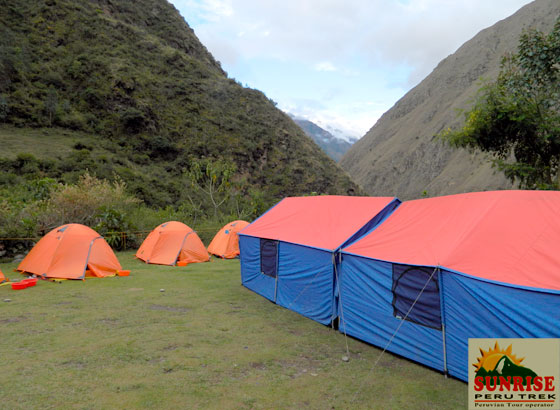 Immerse yourself in nature with our premium camping service.
Top-Tier Gear: We use high-quality, 4-season mountain tents designed to withstand the Andean elements. They are waterproof, windproof, and breathable.
Space to Relax: To ensure you have plenty of room to stretch out and store your gear, we only sleep 2 people in a 4-person tent.
Zero Work Required: Our team handles everything. You will arrive at camp to find your tent pitched, your mattress ready, and your home-away-from-home waiting for you.
Night 3: A Soft Landing in Aguas Calientes
 After crossing the Andes, you deserve a reward.
3-Star Hotel Comfort: On your final night, you will stay in a carefully selected 3-star hotel in the town of Aguas Calientes (Machu Picchu Pueblo).
The Amenities: Enjoy a private room with a comfortable bed, Wi-Fi, and—most importantly—a hot private shower to soothe your muscles. You’ll wake up refreshed, clean, and ready to explore Machu Picchu the next morning.
Prepare for the hike:
When preparing for the Lares Trek, it is crucial to pack appropriately and prepare yourself physically. With varying altitudes, challenging terrain and unpredictable weather conditions, proper gear and physical fitness are essential to conquer this adventure. Our expert guides offer valuable advice on what to bring and how to train, ensuring you have everything you need to make the most out of this once-in-a-lifetime experience.
Lares Trek Difficulty
Embarking on the Lares Trek is an exciting adventure, but it’s crucial to assess its difficulty beforehand. The trek challenges physical stamina and mental resilience, but with preparation and the right mindset, it can be highly rewarding.
Rated as moderately difficult, the Lares Trek suits many hikers and is less demanding than the Inca Trail, yet requires good fitness and endurance. It involves high-altitude hiking, steep and uneven terrains, and variable weather. Trekkers should expect long, challenging days and know basic hiking techniques.
Altitude sickness is a concern, as the trail exceeds 4,000 meters (13,000 feet). Symptoms include headaches and nausea. Proper acclimatization, hydration, avoiding alcohol and strenuous activity, and pacing are key to prevention.
«The Lares Trek provided a good balance between challenge and reward. The steep ascents and descents definitely tested my endurance, but the breathtaking views and cultural encounters made it all worth it.» – Sarah, experienced trekker
Book Now
| Challenges | Tips for Success |
|---|---|
| High altitude | – Acclimatize before starting the trek – Stay hydrated and avoid alcohol – Take it slow and listen to your body |
| Steep and uneven terrain | – Wear sturdy and comfortable hiking boots – Use trekking poles for stability – Take regular breaks to rest and catch your breath |
| Variable weather conditions | – Pack layers of clothing for temperature changes – Carry a waterproof and windproof jacket – Protect yourself from the sun with a hat and sunscreen |
| Long and challenging hikes | – Train beforehand with regular cardiovascular exercise – Practice hiking on inclines and declines – Build up your endurance gradually |
It’s important to note that hiring a knowledgeable and experienced guide can greatly enhance your Lares Trek experience. They will not only ensure your safety but also provide valuable insights into the culture, history, and natural wonders that you encounter along the trail.
Cultural Highlights of the Lares Trek
The Lares Trek is not just an adventure through the stunning landscapes of Peru, but also a unique opportunity to immerse yourself in the rich Andean culture. Along the trail, you’ll encounter various cultural highlights that offer a deeper understanding of the local communities and their traditions.
Visits to Local Villages
One of the most enriching aspects of the Lares Trek is the chance to visit local villages nestled in the heart of the Andes. These villages provide a glimpse into the daily lives of the indigenous people who have resided in these remote areas for generations.
«I was fascinated by the warmth and hospitality of the local communities we encountered along the Lares Trek. Interacting with the villagers and witnessing their traditional way of life was truly inspiring.» – Emily, Trekker
As you explore these villages, you’ll have the opportunity to engage with the locals, learn about their customs, and gain insights into their ancient traditions. From participating in traditional textile weaving demonstrations to learning about natural medicinal practices, these encounters are bound to leave a lasting impression.
Interactions with Indigenous Communities
The Lares Trek also offers trekkers the chance to interact with indigenous communities along the trail. These interactions provide a unique opportunity to learn about the customs, beliefs, and ancestral knowledge of the local people.
Whether it’s joining a traditional ceremony or sharing a meal with a local family, these authentic experiences foster a deep connection with the Andean culture and create lasting memories.
Experiencing Traditional Customs and Traditions
Throughout the Lares Trek, you’ll have the chance to witness and partake in various traditional customs and rituals. From traditional music and dance performances to ancient ceremonies dedicated to Mother Earth (Pachamama), these cultural displays showcase the vibrant heritage of the Andean people.
By being a part of these rituals, you’ll gain a newfound appreciation for the spiritual connection that exists between the local communities and their natural surroundings.
| Cultural Highlight | Description |
|---|---|
| Visits to Local Villages | Explore remote Andean villages, interact with locals, and learn about traditional practices. |
| Interactions with Indigenous Communities | Engage with indigenous communities, participate in ceremonies, and gain insights into their ancestral knowledge. |
| Experiencing Traditional Customs and Traditions | Witness traditional music and dance performances, partake in ancient rituals, and experience the spirituality of the Andean people. |
Flora and Fauna of the Lares Trek
The Lares Trek is renowned not only for its cultural significance but also for its incredible biodiversity. As you embark on this trekking adventure, you will have the opportunity to immerse yourself in a stunning natural environment teeming with a diverse array of flora and fauna.
Throughout the journey, you will encounter various ecosystems, each harboring unique species that have adapted to the rugged terrain of the Peruvian Andes. From lush valleys to high-altitude mountain passes, the Lares Trek offers a kaleidoscope of biodiversity, making it a paradise for nature enthusiasts.
Flora
The flora along the Lares Trek is characterized by its resilience and beauty. As you hike through different altitudes, you will witness a transition in vegetation, from colorful wildflowers and orchids in the lower valleys to tough shrubs and grasses in the high mountainous regions. The flora diversity is a testament to the pristine wilderness of this area.
- The Queuña Tree: This native Andean tree species is a symbol of the region’s ecological resilience. Known for its ability to thrive in high-altitude conditions, the Queuña tree provides habitat for numerous wildlife species and helps preserve the fragile ecosystem.
- Andean Lupine: With its vibrant purple and blue flowers, the Andean Lupine adds a splash of color to the trekking route. This beautiful wildflower is commonly found in the valleys and is known for its nitrogen-fixing properties, which contribute to soil fertility.
- Puya Raymondi: Towering over the landscape, the Puya Raymondi is a giant bromeliad that can reach heights of up to 10 meters. Its towering flower spikes are a sight to behold, attracting nectar-loving birds and insects.
Fauna
The Lares Trek is home to a remarkable variety of animal species, adapted to survive in the challenging high-altitude environment. As you traverse the trail, keep an eye out for sightings of these incredible creatures.
- Andean Condor: With its massive wingspan, the Andean Condor is a majestic bird often spotted soaring through the skies above the deep canyons and towering peaks. Spotting this iconic symbol of the Andes is a truly memorable experience.
- Vicuña: The smallest member of the camel family, the Vicuña is a gentle and graceful creature that roams freely in the Andean highlands. Known for its luxurious and highly valued wool, the Vicuña is a testament to the region’s deep-rooted textile traditions.
- Andean Fox: This elusive carnivore can be spotted in the higher reaches of the trek, blending in with its surroundings. Known for its resourcefulness and adaptability, the Andean Fox is a rare sight but a true testament to the resilience of wildlife in the region.
Encountering these unique species and witnessing the delicate balance of the natural world along the Lares Trek serves as a powerful reminder of the importance of conservation efforts. It is essential that we continue to protect and preserve this biodiversity for future generations to enjoy.
Comparing Lares Trek and Inca Trail
If you’re deciding between the Lares Trek and the iconic Inca Trail, we’re here to help. Both routes offer unique experiences, but there are some key differences to consider. Let’s compare the Lares Trek and Inca Trail in terms of landscape, difficulty level, popularity, and overall experience, to help you make an informed decision for your adventure.
Landscape:
The Lares Trek takes you through stunning valleys, picturesque lakes, and remote Andean villages. You’ll be surrounded by breathtaking mountain peaks, vibrant flora, and awe-inspiring natural beauty. On the other hand, the Inca Trail boasts magnificent ruins, ancient stone pathways, and sweeping panoramic views of the Sacred Valley. It’s a journey through history and archaeological wonders.
Difficulty:
The Lares Trek is considered a moderate to challenging trek, with elevations reaching up to 4,550 meters (14,924 feet). It involves steep ascents, descents, and uneven terrain. The Inca Trail is also challenging, but its difficulty lies mainly in the high altitude, with the highest pass reaching 4,215 meters (13,828 feet). Both treks require a reasonable level of fitness and acclimatization.
Popularity:
The Inca Trail is undoubtedly more popular and attracts a larger number of visitors each year. It’s often booked months in advance and requires permits. On the other hand, the Lares Trek offers a quieter and less crowded experience, allowing you to immerse yourself in nature and enjoy a more intimate journey.
Overall Experience:
The Lares Trek offers a unique cultural experience, providing opportunities to interact with local communities and learn about Andean traditions. You’ll have the chance to witness authentic daily life and experience the warmth of Peruvian hospitality. The Inca Trail, on the other hand, offers a deeply historical and archaeological journey, culminating in the awe-inspiring sight of Machu Picchu.
«The Lares Trek allowed us to connect with the local people, experience their customs, and gain an appreciation for their way of life. It felt like a personal and meaningful adventure.» – Maria, Adventurer
Ultimately, the choice between the Lares Trek and Inca Trail depends on your preferences and what you value most in a trekking experience. If you seek cultural immersion and a quieter journey through stunning landscapes, the Lares Trek may be the ideal choice. However, if you’re captivated by ancient history and iconic archaeological sites, the Inca Trail offers an unparalleled experience.
| Lares Trek | Inca Trail |
|---|---|
| Moderate to challenging | Challenging |
| Less crowded | More crowded |
| Immerse in Andean culture | Explore ancient ruins |
| Stunning landscapes | Sweeping panoramic views |
| Opportunities for community interaction | Rich historical and archaeological significance |
Permits and Regulations
To trek on the Lares Trail, trekkers are required to obtain permits from the Peruvian government. These permits help manage the number of visitors and protect the natural and cultural heritage of the area. It’s essential to book your trek through a licensed tour operator who will handle the permit arrangements on your behalf.
It’s recommended to book your trek well in advance, especially if you plan to trek during peak seasons such as the dry months from May to September. This ensures that you secure the necessary permits and guarantees your spot on the trek.
Sustainable Travel on the Lares Trek
As responsible travelers, it’s crucial to minimize our impact on the environment and support the local communities. When embarking on the Lares Trek, there are several tips and practices you can follow to ensure sustainable travel and promote responsible tourism.
1. Pack Light and Leave No Trace
When preparing for your trek, pack only the essentials and avoid unnecessary items. This not only reduces the weight you carry but also minimizes your carbon footprint. Additionally, be mindful of waste disposal and leave no trace behind. Dispose of your trash properly and respect the natural surroundings, leaving them as pristine as you found them.
2. Respect Local Culture
While passing through local communities along the Lares Trek, it’s important to respect their culture and traditions. Interact with locals in a respectful manner, learn from their customs, and follow any guidelines they provide. Remember that you are a guest in their home, and your actions should reflect cultural sensitivity.
«Traveling responsibly means embracing new cultures with respect and humility, understanding that our actions can leave a lasting impact on the communities we visit.» – Responsible Traveler
3. Support Local Communities
One of the best ways to contribute to the sustainability of the Lares Trek is to support local communities. Purchase souvenirs and handicrafts directly from local artisans, stay in locally-owned accommodations, and opt for authentic gastronomic experiences. By doing so, you empower the local economy and help preserve traditional livelihoods.
4. Choose Sustainable Tour Operators
Before booking your Lares Trek experience, research and select tour operators that prioritize sustainable practices. Look for companies that support local initiatives, employ local guides, and prioritize environmental conservation. By choosing responsible tour operators, you contribute to the preservation of the natural and cultural heritage of the region.
5. Share Your Experience Responsibly
After completing the Lares Trek, share your experience responsibly through social media and online platforms. Encourage sustainable travel practices, highlight the beauty of the region, and promote responsible tourism. Inspire others to travel responsibly and make a positive impact on the places they visit.
By following these tips and committing to sustainable travel practices, you can make a difference in preserving the natural and cultural heritage of the Lares Trek. Together, we can ensure that future generations can continue to enjoy this breathtaking adventure while protecting the environment and supporting local communities.
Conclusion
In conclusion, the Lares Trek to Machu Picchu is a remarkable adventure that combines breathtaking natural beauty, cultural immersion, and a sense of awe-inspiring wonder. This 4-day journey offers a once-in-a-lifetime opportunity to explore the Peruvian Andes and experience the rich Andean culture.
Whether you are drawn to the stunning vistas, the chance to interact with indigenous communities, or the opportunity to witness diverse flora and fauna, the Lares Trek has something to offer for every adventurer. It is a chance to disconnect from the hustle and bustle of everyday life and connect with the raw beauty of nature.
As you plan your trip, it is important to carefully consider the logistics and challenges of the trek. Be sure to pack the necessary hiking equipment, plan for unpredictable weather conditions, and embrace the physical demands of the trail. These preparations will ensure a safe and fulfilling experience.
Embarking on the Lares Trek is not just a journey; it is a transformative experience that will leave you with lasting memories. So, lace up your boots, open your heart to new experiences, and let the Lares Trek take you on an unforgettable adventure to the magical Machu Picchu.