
The Classic Inca Trail Trek to Machu Picchu: A 4-Day Odyssey
Walk in the Footsteps of History
Welcome to the world’s most iconic trekking experience. This is not just a hike; it is a pilgrimage through the cloud forests and Andean peaks, traversing the original stone paths laid by the Inca Empire centuries ago. Over four days, you will witness the shift from alpine landscapes to lush jungles, discovering ancient archaeological sites that can only be reached on foot, culminating in the majestic sunrise over Machu Picchu.
📋 Essential Trek Information
At a Glance
Difficulty Level: Moderate to Challenging.
Note: While rated «moderate» for experienced hikers, this route is physically demanding. If you possess average fitness, expect a challenge that requires mental resilience.
Altitude Range: From 2,680 masl (8,817 ft) at the start to a peak of 4,200 masl (13,818 ft).
Best Time to Go: April through October.
Insight: This is the dry season, offering the best views. June to August is the peak busy season.
Temperatures: Highly variable, ranging from -4ºC (night) to 28ºC (day). Layers are essential.
Permits: Strictly Required.
Urgency: Only 500 permits are issued daily (including staff). During peak season, you must book 5–7 months in advance.
Acclimatization: We strongly recommend spending a minimum of 2 days at altitude (Cusco or Sacred Valley) before starting the trek.
Seasonal Closure: The trail is closed every February for maintenance and conservation.
⭐ Journey Highlights
Why this trek is unforgettable
The Sun Gate (Inti Punku): Experience the spine-tingling moment of seeing Machu Picchu revealed by the rising sun—a view reserved exclusively for Inca Trail hikers.
Conquer Dead Woman’s Pass: Achieve a personal milestone by summiting the trek’s highest point at 4,200m for panoramic Andean views.
Hidden History: Explore exclusive ruins like Sayacmarka (The Inaccessible Town) and Wiñayhuayna (Forever Young), which are arguably as beautiful as Machu Picchu itself.
Biodiversity: Watch the landscape transform from rugged high-altitude sierra to the lush, green, orchid-filled high jungle.
💡 Pro Tips for Success
Footwear Matters: Break in your waterproof hiking boots weeks before you arrive. Your feet will thank you.
Passport: You must carry your original passport to enter the trail and Machu Picchu.
Hydration is Key: Drink plenty of water and consider coca tea to assist with altitude acclimatization.
Pack Smart: A headlamp is essential for early mornings. Ensure your hiking poles have rubber tips (required to protect the ancient stones).
🗺️ Short Itinerary: Day by Day
Day 1: The Adventure Begins
Cusco – Ollantaytambo – Pisqhakucho (Km 82) – Wayllabamba
Your journey starts early. We will pick you up from your hotel in Cusco at 05:30 a.m. (or 08:30 a.m. if staying in the Sacred Valley).
The Drive: A scenic 3.5-hour drive brings us to Ollantaytambo, where we stop for breakfast, last-minute supplies, and restrooms.
The Start: We proceed to Pisqhakucho (Km 82), the official checkpoint.
The Hike: Today is a gentle training day. We trek for 6–7 hours along the Urubamba River, passing the impressive Inca farming terraces of Patallacta and the fortress of Willcaraqhay.
Overnight: Wayllabamba Camp.
Day 2: The Challenge
Wayllabamba – Dead Woman’s Pass – Pacaymayu
Wake up to a hearty breakfast at 06:30 a.m. to fuel up for the most physically demanding day of the trek.
The Climb: We begin hiking at 07:00 a.m., ascending steeply through changing vegetation zones.
The Summit: We conquer the highest point of the trail, the Warmiwañusca (Dead Woman’s Pass) at 4,200 masl. The sense of achievement here is unparalleled.
The Descent: After enjoying the magnificent views of mountains and valleys, we descend into the Pacaymayu valley.
Overnight: Pacaymayu Camp.
Day 3: The Unforgettable Views
Pacaymayu – Sayacmarka – Phuyupatamarka – Wiñayhuayna
After breakfast at 07:00 a.m., we embark on what many consider the most beautiful day of the trail.
Archaeology: We cross the second pass (4,000 masl) and visit the circular ruins of Runkuraqhay.
Cloud Forest: The trail enters the lush cloud forest. We will explore the inaccessible ruins of Sayacmarka and the «Town in the Clouds,» Phuyupatamarka.
The Descent: We end the day at the breathtaking agricultural terraces of Wiñayhuayna.
Duration: Approximately 7–8 hours of hiking.
Day 4: The Lost City of the Incas
Wiñayhuayna – Inti Punku – Machu Picchu – Cusco
We wake up very early (04:00 a.m. range) to begin hiking by 05:30 a.m., racing the sun to the finish line.
The Reveal: A 1.5-hour hike brings us to Inti Punku (The Sun Gate). Here, you will witness the sunrise illuminating the citadel of Machu Picchu below.
The Citadel: A short 30-minute descent brings us into the heart of the ruins. You will enjoy a comprehensive 2–3 hour guided tour of this World Wonder.
The Return: Afterward, take the bus down to Aguas Calientes for a celebratory lunch. Finally, you will board the train and bus for your return transfer to Cusco.
The Daily Odyssey: Your Detailed Inca Trail Itinerary
This is more than a hike; it is a journey through time. Over four days, we traverse the original stone highways of the Inca Empire, moving from the Sacred Valley floor to the high Andean passes, and finally descending into the lush cloud forest that hides Machu Picchu.
Here is exactly what to expect, step by step.
Day 1: The Adventure Begins
Cusco – Ollantaytambo – Km 82 – Wayllabamba
“The Warm-Up”
Your journey begins before dawn. We will pick you up from your hotel in Cusco at 05:30 a.m. (or 08:30 a.m. if you are staying in the Sacred Valley). We embark on a scenic 3.5-hour drive through the heart of the Sacred Valley, watching the Urubamba River wind through farmland and villages.
We make a vital stop in the living Inca town of Ollantaytambo. Here, you can enjoy breakfast, use the restrooms, and purchase any last-minute supplies (sunscreen, snacks, or walking sticks).
From there, we proceed to Pisqhakucho (Km 82). This is the official checkpoint where your passport is verified, and your adventure officially begins.
The Hike: Today is designed to help you acclimatize. The hike is relatively gentle, following the course of the Urubamba River. Along the way, you will get your first taste of Inca engineering with views of the vast agricultural terraces at Patallacta and the military outpost of Willcaraqhay. We finish the day at our first campsite in Wayllabamba, the only village on the trail still inhabited by local families.
📉 Trek Metrics:
Hiking Time: 6 – 7 Hours
Distance: ~12 km (7.5 miles)
Difficulty: Moderate
Highlight: First views of the snow-capped Mount Veronica (5,860m).

Day 2: The Challenge
Wayllabamba – Dead Woman’s Pass – Pacaymayu
“The Summit”
Rise and shine at 06:30 a.m. with a hot cup of coca tea and a nutritious breakfast. Today is the most physically demanding day of the trek, but also the most rewarding.
The Hike: We begin hiking at 07:00 a.m., leaving the valley floor and ascending steeply. The terrain changes dramatically as we leave the trees behind and enter the high Andean «Puna» (grassland). The air thins, and the views expand.
Our goal is the highest point of the Inca Trail: Warmiwañusca, known famously as Dead Woman’s Pass, standing at 4,200 masl (13,779 ft). Upon reaching the top, take a moment to celebrate your achievement and photograph the panoramic views of the looming mountains and deep valleys below.
After the summit, we descend along a restored Inca path to the Pacaymayu valley, where lunch and our campsite await. You will sleep soundly tonight!
📉 Trek Metrics:
Hiking Time: 7 – 8 Hours
Distance: ~11 km (6.8 miles)
Difficulty: Challenging/High Altitude
Highlight: Conquering the 4,200m summit and the sense of personal victory.

Day 3: The Unforgettable Views
Pacaymayu – Sayacmarka – Phuyupatamarka – Wiñayhuayna
“Into the Cloud Forest”
After breakfast at 07:00 a.m., we begin what many guides consider the most beautiful day of the trail. Today combines history with breathtaking biodiversity.
The Hike: We ascend toward the second pass (Runkuraqhay at 4,000m) and visit the circular ruins of Runkuraqhay. From here, the landscape transforms. We leave the arid peaks and descend into the lush, green Cloud Forest.
Along the way, we explore two of the trail’s most exclusive sites:
Sayacmarka: A dramatic fortress perched on a cliff edge, known as the «Inaccessible Town.»
Phuyupatamarka: Known as the «Town in the Clouds,» offering spectacular views of the Urubamba River far below.
We continue descending stone steps surrounded by orchids, ferns, and hummingbirds until we reach Wiñayhuayna (Forever Young). This archaeological site features impressive agricultural terraces and is our final camping spot.
📉 Trek Metrics:
Hiking Time: 7 – 8 Hours
Distance: ~16 km (10 miles)
Difficulty: Moderate
Highlight: Walking through the cloud forest and the Inca Tunnel.

Day 4: The Lost City Revealed
Wiñayhuayna – Inti Punku – Machu Picchu – Cusco
“The Sunrise”
Today, we wake up earlier than usual—around 04:00 a.m.—to ensure we are the first on the trail. We begin hiking by 05:30 a.m. with one goal: to see the sunrise over the Sanctuary.
The Hike: The trail contours a steep mountainside through deep jungle for about 1.5 hours until we reach the Inti Punku (Sun Gate). This is the moment you have walked 43km for. Suddenly, the entire citadel of Machu Picchu is revealed below you, often bathed in the morning light.
We descend the final 30 minutes to the citadel itself. After checking in, you will enjoy a comprehensive 2 to 3-hour guided tour, uncovering the mysteries of the temples, plazas, and fountains.
The Return: After the tour, we take the bus down to the town of Aguas Calientes for a celebratory lunch. In the afternoon, we board the train and bus for the comfortable transfer back to Cusco, dropping you at your hotel with memories that will last a lifetime.
📉 Trek Metrics:
Hiking Time: 2 Hours (Hiking) + 2 Hours (Tour)
Distance: ~5 km (3 miles)
Difficulty: Easy to Moderate
Highlight: The first view of Machu Picchu from the Sun Gate.
Your Trip Details: All-Inclusive Service
We believe your only focus should be on the trail, the mountains, and the magic of the Andes. We take care of the logistics. Here is a transparent breakdown of what is covered in your trek package.
✅ What is Included?
Everything you need for a safe, comfortable, and unforgettable journey.
Professional Team & Safety
Expert Guides: English/Spanish-speaking professional guides (University degree in Tourism & History).
The «Super Porters»: Our hardworking team carries all camping equipment, food, and dining gear. Including your duffle bag. You only carry your daypack.
Medical Safety: First-aid kit and an emergency oxygen bottle carried daily.
Transport & Logistics
Door-to-Door Service: Pick-up from your hotel in Cusco or the Sacred Valley.
Private Transport: Comfortable bus to the trailhead at Piscacucho (Km 82).
Return Logistics:
Bus ticket from Machu Picchu down to Aguas Calientes.
Tourist Train ticket from Aguas Calientes to Ollantaytambo (Expedition service or similar).
Private transfer from the train station back to your hotel in Cusco.
Permits & Tickets
Inca Trail Permit: Guaranteed reservation for the Classic Inca Trail.
Machu Picchu Ticket: Entrance fee to the citadel.
Camping & Equipment
High-Quality Tents: 4-season professional tents (We provide a 4-person tent for every 2 hikers to ensure ample space).
Comfort: Foam sleeping mats (insulation pads).
Dining Setup: Spacious dining tent with tables and chairs, plus a kitchen tent for our chef.
Mountain Dining
Full Board: 3 Breakfasts, 3 Lunches, 3 Dinners.
Daily Snacks: Morning snacks to keep your energy up (fruit, cookies, chocolate).
Tea Time: Happy Hour every afternoon with hot drinks, popcorn, and biscuits.
Morning Service: Warm water delivered to your tent each morning for washing.
Dietary Needs: Vegetarian, vegan, gluten-free, and allergy-specific meals available at no extra cost.
❌ What is Not Included?
Items to budget for separately.
Sleeping Bag: You can bring your own or rent a high-quality 15ºC down bag from us.
Inflatable Air Mattress: Optional upgrade for extra comfort (Therma-rest style), available for rent.
Walking Sticks: Highly recommended. Bring your own (rubber tips required) or rent from us.
First Breakfast: Usually provided by your hotel in Cusco before pick-up.
Last Lunch: Lunch in Aguas Calientes on Day 4 (after the Machu Picchu tour) is not included, allowing you to choose a restaurant according to your preference and budget.
Tips: While optional, tipping the guide, cook, and porters is a customary way to show appreciation for their hard work at the end of the trek.
Travel Insurance: We strongly recommend insurance that covers adventure activities and high-altitude hiking.
Mastering the Mountains: Your Ultimate Inca Trail Packing Guide
Packing for the Andes is an art. You need to prepare for four seasons in a single day—from the freezing morning peaks to the humid cloud forest afternoons.
To keep you comfortable and agile, we have broken this list down into two critical categories: Your Daypack (what you carry) and Your Duffle Bag (what our porters carry).
🎒 1. The Daypack (What YOU Carry)
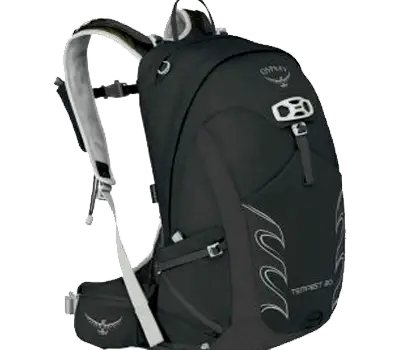
This bag stays with you at all times. Keep it light (under 5kg/11lbs if possible) to save your energy.
 Original Passport: You cannot enter the trail or Machu Picchu without it. (Must match the number you booked with).
Water: A hydration bladder (CamelBak type) or reusable bottles (2-liter capacity recommended). Note: Disposable plastic bottles are discouraged/banned.
Rain Gear: A lightweight rain poncho (provided by us or bought locally) or a high-quality waterproof jacket. The weather is unpredictable!
Sun Protection: Sunscreen (high SPF), sunglasses, and a sun hat. The high-altitude sun is intense.
Insect Repellent: Essential for the lower altitudes/jungle zones (Camp 3 & Machu Picchu).
Headlamp: Mandatory for navigating camp at night and the early morning hike to the Sun Gate.
Personal First Aid: Band-aids, blister skins (moleskin), painkillers, and personal medication.
Camera/Phone: Plus a portable power bank (there are no charging outlets on the trail).
Snacks: We provide plenty, but bring your favorites (energy bars, nuts) for a quick boost on steep climbs.
👜 2. The Duffle Bag (What PORTERS Carry)
We provide this duffel bag at your briefing. It will be carried by our porters. Weight Limit: 7kg (15lbs) total, including your sleeping bag.
 Sleeping Gear
Sleeping Bag: Rated to -10ºC or -15ºC (Rentals available).
Inflatable Pillow: Optional, but a luxury for a good night’s sleep.
Clothing (Think Layers!)
Base Layers: 2 sets of thermal tops/bottoms (Synthetic or Merino wool—avoid cotton as it doesn’t dry).
Hiking Pants: 2 pairs (Zip-off pants are excellent as the day warms up).
T-Shirts: 2–3 moisture-wicking hiking shirts.
Fleece/Mid-layer: For warmth in the evenings.
Underwear & Hiking Socks: Bring fresh pairs for every day. Wool socks are best for preventing blisters.
Camp Shoes
Sandals or Sneakers: Something lightweight to wear around camp to let your feet breathe after a long day in boots.
Toiletries
«The Inca Shower»: Wet wipes (biodegradable preferred).
Essentials: Toothbrush, toothpaste, small soap, small towel (quick-dry).
Plastic Bags: To separate wet/dirty clothes from dry ones inside your duffle.
🥾 3. What to Wear on Day 1 (To Start)
Hiking Boots (Well broken-in; never wear brand new boots on the trail!).
Hiking socks.
Zip-off trekking pants.
T-shirt.
Sun hat.
Trekking Poles (Optional, but highly recommended for saving your knees on the Inca steps).
🚫 What NOT to Bring
Drones: Strictly prohibited inside the National Park and Machu Picchu.
Heavy Tripods: Not worth the weight.
Glass Containers: Safety hazard.
Musical Instruments: Enjoy the sounds of nature instead!
Essential Information: Know Before You Go
Everything you need to know to trek the Inca Trail with confidence.
Embarking on the Inca Trail is a bucket-list adventure, but the Andes demand respect and preparation. Here are the honest answers to the most vital questions about life on the trail.
🎫 1. The Permit Reality (Book Early!)
This is the most critical rule of the Inca Trail: Supply is limited.
The Limit: The Peruvian government strictly limits access to 500 people per day. This number includes hikers, guides, porters, and cooks. In reality, only about 200 permits are available for tourists daily.
The Strategy: Permits for the peak season (May–August) often sell out 5 to 7 months in advance.
No Flexibility: once a permit is booked with your passport number, it is non-transferable and non-refundable. If you change your passport, you must bring both the old and new ones to the checkpoint.
🏔️ 2. Acclimatization: The «2-Day Rule»
Altitude sickness (Soroche) is the biggest challenge on this trek, regardless of your fitness level.
Our Recommendation: You must arrive in Cusco (3,400m) or the Sacred Valley at least 2 days before your trek begins.
Why? This gives your body time to adjust to the thin air before you exert yourself.
Tips: Drink plenty of water, avoid heavy alcohol before the trek, and drink Mate de Coca (Coca tea), the local remedy.
🚻 3. Facilities on the Trail (Toilets & Showers)
Let’s be honest: this is a remote mountain experience, not a luxury hotel.
Toilets: The government maintains toilet blocks along the trail. They are generally «squat» toilets with manual flushing (bucket of water). They can be basic.
Our Service: At our private lunch spots and campsites, we provide a portable chemical toilet exclusively for our group, ensuring hygiene and privacy.
Showers: There are cold showers available at the Day 3 campsite (Wiñayhuayna) for a small fee, but most hikers skip them. We provide warm water bowls every morning and evening for a «sponge bath» to keep you fresh.
💧 4. Water on the Trail
Hydration is key to avoiding altitude sickness.
Do I carry 4 days of water? No! You only need to carry enough water for the first morning (Day 1).
Refills: From the first lunch on Day 1 until the end of the trek, our team provides boiled, cooled, and filtered water.
Bottles: Please bring a refillable bottle or CamelBak (2–3 liters capacity). Single-use plastic bottles are banned on the trail.
🥕 5. Food & Dietary Restrictions
You will be amazed at what our chefs can create on a camping stove.
The Menu: We serve buffet-style meals featuring fresh Peruvian ingredients—quinoa, chicken, fish, vegetables, and fruit. You will not go hungry!
Restrictions: Vegan, Vegetarian, Gluten-Free, Nut-Free? No problem. Just let us know at the time of booking. We are experts in catering to allergies and specific diets.
💰 6. Tipping & Extra Cash
While the trek is all-inclusive, you should carry some local currency (Peruvian Soles) in small denominations.
Why? To buy snacks/Gatorade from locals on Day 1 & 2, for the toilet at Machu Picchu (2 Soles), and for tipping your crew.
Tipping: Tipping is voluntary but highly expected and appreciated. It is a tradition to pool money among the hikers to tip the porters and cook on the final night, and tip the guide separately.
⛰️ 7. Huayna Picchu & Machu Picchu Mountain
Important Note: The standard Inca Trail permit includes entry to the Machu Picchu citadel only.
Extra Hikes: If you wish to climb Huayna Picchu (the steep peak in the background of classic photos) or Machu Picchu Mountain after your tour on Day 4, you must purchase a separate extra ticket in advance. These sell out months ahead—ask us when you book!
Unlocking the Mystery: Frequently Asked Questions
You have questions; we have the answers. Here is the inside scoop on the Inca Trail experience.
We know that booking a trek in Peru is a big decision. To help you feel completely prepared, we have compiled the most common questions our travelers ask. If you don’t see your question here, our team is just an email away!
🏃 Fitness & Pace
Q: «I’m not a marathon runner. Can I really do this?» A: Absolutely. While the trail is rated «Moderate,» it is not a race. The success of the Inca Trail is 40% physical and 60% mental. We hike at a rhythm known as «Paso de Gato» (Cat’s Pace)—slow, steady, and rhythmic. If you can walk for 5–6 hours at home (even with breaks) and do some cardio preparation (hiking, stair climbing) for two months prior, you will succeed. Our guides are experts at managing the pace so no one is left behind.
Q: «What happens if I get altitude sickness or can’t continue?» A: Safety is our obsession. Our guides carry oxygen tanks and first aid kits at all times and are trained to recognize early symptoms of Soroche (altitude sickness).
The Reality: Unlike other treks, there are no horses allowed on the Inca Trail for emergencies. If you cannot finish, our guides will coordinate an evacuation. This usually involves being assisted back to the start or forward to the nearest exit point, accompanied by a team member. Note: This is rare; most hikers finish with a smile!
🧳 Luggage & Logistics
Q: «Where do I leave my main suitcase while I’m trekking?» A: You should only bring your 7kg duffle bag and your daypack on the trail. Your large suitcases (with your city clothes, laptop, etc.) should be left in storage at your hotel in Cusco or the Sacred Valley.
Good to know: Almost every hotel and hostel in Cusco offers free, secure luggage storage for trekkers. It is a standard part of hospitality here. If for some reason your hotel does not, you can store it safely at our office.
Q: «Do I need walking poles? I don’t usually use them.» A: We highly recommend them. The Inca Trail consists of thousands of stone steps—some steep, some uneven, and often slippery. Poles act as two extra legs, reducing the impact on your knees by up to 30%, especially on the steep downhill sections (like the «Gringo Killer» steps on Day 3).
Rule: They must have rubber tips to protect the ancient stones. Metal tips are prohibited.
🔌 Technology & Connectivity
Q: «Is there WiFi or phone signal on the trail?» A: Embrace the «Digital Detox»! There is essentially no WiFi on the trail. You might catch a fleeting cell signal at Dead Woman’s Pass (Day 2) or Phuyupatamarka (Day 3), but it is unreliable. Use this time to disconnect from the world and reconnect with nature.
Q: «How do I charge my phone/camera?» A: There is no electricity at the campsites. You must bring a high-capacity portable power bank (battery pack). We recommend at least 20,000mAh to charge your phone and camera batteries for the full 4 days. Keep your batteries warm (inside your sleeping bag) at night, as the cold drains them faster.
💵 Money & Tipping
Q: «How much money should I bring, and do I need to tip?» A: The trek is all-inclusive, but you will need cash for:
Toilets: At the trailhead and Machu Picchu (1–2 Soles).
Snacks: Local vendors sell Gatorade/snacks on Day 1 and early Day 2.
Tipping: While voluntary, tipping is a deep-rooted tradition in Andean trekking culture to show gratitude to the «Green Machine» (our porters).
Guideline: We suggest budgeting approx. 300–400 Soles (approx. $80–$100 USD) per hiker to cover tips for the porters, chef, and guide combined.
👟 The Experience
Q: «Will I see llamas?» A: You will likely see llamas and alpacas on Day 1 (in the villages) and definitely on Day 4 at Machu Picchu, where they roam freely through the ruins (and love to photobomb!).
Q: «Can I use plastic bottles?» A: No. Machu Picchu and the Inca Trail have a strict single-use plastic ban. You must bring reusable canteens (Nalgene, CamelBak, etc.). If you bring a plastic bottle (like Gatorade) bought on the trail, you must carry the empty bottle out with you. Leave no trace!