

Embark on an unforgettable journey through the majestic Andean mountains with the Lares Trek to Machu Picchu. This andean adventure offers a unique blend of breathtaking landscapes and rich cultural heritage.
As you traverse through the mountains, you’ll be immersed in the history and traditions of the region. The Lares Trek is an alternative to the classic Inca Trail, providing a less crowded and equally rewarding experience.
Key Takeaways
- Experience the majestic Andean mountains
- Discover the rich cultural heritage of the region
- Enjoy a less crowded alternative to the Inca Trail
- Immerse yourself in the history and traditions of the Andean people
- Take in the breathtaking landscapes of the Lares Trek
The Road Less Traveled: Discovering the Lares Trek
The Lares Trek is a hidden gem among Peru hiking tours, providing an unforgettable journey through the Andes. This trek is designed for those who seek adventure beyond the usual tourist trails.
What Makes Lares Trek Special
The Lares Trek stands out due to its unique route through the Andes, offering breathtaking views of snow-capped mountains, alpine lakes, and traditional villages. It’s an opportunity to experience the natural beauty and cultural richness of the region.
Comparing Lares to the Classic Inca Trail
Unlike the Inca Trail, the Lares Trek provides a more secluded experience. It allows trekkers to connect with local communities and immerse themselves in the region’s rich cultural heritage, making it a distinct choice for lares trekking routes enthusiasts.
Overview of the Experience
The Lares Trek is not just a hike; it’s an immersive experience that includes stunning landscapes, cultural interactions, and a deep dive into the history of the Andean region. Trekkers can expect a rewarding adventure that combines physical challenge with cultural enrichment.
The History and Cultural Significance of the Andean Region
As you embark on the Lares Trek, you’re not just hiking – you’re stepping into the heart of the Andes’ storied past. The Andean region is a treasure trove of history and culture, with the Lares Trek offering a unique glimpse into the lives of the ancient Inca civilization.
Ancient Inca Civilization
The Inca Empire was a vast and sophisticated network of roads, terracing, and settlements that thrived in the Andean region. The Lares Trek passes through many sites that were once important to the Incas, including agricultural terraces and ancient ruins. These remnants of a bygone era provide a fascinating insight into the lives of the people who built them.
Local Communities Along the Route
One of the most enriching aspects of the Lares Trek is the opportunity to interact with local communities. Villages such as Huacahuasi and Huellapampa are home to people who continue to live traditional lives, practicing subsistence farming and handicraft weaving. Visitors can experience the warm hospitality of these communities and gain a deeper understanding of their customs.
Living Traditions in the Sacred Valley
The Sacred Valley, through which the Lares Trek passes, is a region of immense cultural significance. The valley is home to numerous traditional festivals and local markets, where visitors can witness the vibrant culture of the Andean people. From the colorful textiles to the lively music and dance, the Sacred Valley is a place where tradition and heritage are very much alive.
Planning Your Lares Trek Adventure
Embarking on the Lares Trek to Machu Picchu requires meticulous planning to ensure a memorable and stress-free adventure. With several factors to consider, from the best time to visit to choosing a tour operator, preparation is key to a successful journey.
Best Time to Visit
The best time to undertake the Lares Trek is during the dry season, from May to September, when the weather is most favorable. Clear skies and mild temperatures make for ideal trekking conditions. Visiting during this period also coincides with several local festivals, offering a deeper cultural experience.
Duration Options
The Lares Trek typically spans four days, but variations exist to suit different needs and fitness levels. Some tour operators offer shorter or longer itineraries, including options that combine the trek with other local attractions. Flexibility in planning allows trekkers to tailor their adventure according to their preferences.
Permits and Regulations
Understanding the permit requirements and regulations is crucial for a smooth trek. The Peruvian government limits the number of trekkers on the Lares Trail daily, so securing permits in advance is essential. Working with a reputable tour operator can simplify this process, as they often handle the necessary paperwork.
Choosing a Tour Operator
Selecting the right tour operator is vital for a successful Lares Trek. Look for operators with experience and a commitment to sustainable tourism practices. They should provide comprehensive services, including guides, equipment, and logistical support, ensuring a hassle-free peru travel experience that culminates in an unforgettable machu picchu excursion.
Essential Gear for Conquer the Andes: Lares Trek to Machu Picchu
To ensure a comfortable and enjoyable Lares Trek experience, it’s vital to pack the right equipment. The Lares Trek is a challenging andean adventure that requires careful preparation.
Clothing Recommendations
Pack layers of breathable clothing to adapt to changing weather conditions. Include a waterproof jacket, insulated layers, and moisture-wicking base layers. Don’t forget a hat, gloves, and sturdy trekking boots.
Trekking Equipment
A reliable backpack, trekking poles, and a sleeping bag are essential for the journey. Consider the weight and durability of your gear when selecting your equipment for the lares trekking routes.
Personal Items and Medications
Bring personal items such as sunscreen, insect repellent, and a first-aid kit. If you have specific medications, be sure to pack them and bring them along.
Packing Light vs. Being Prepared
Striking a balance between packing light and being prepared is crucial. While it’s essential to minimize your load, it’s equally important to bring necessary items to ensure a safe and enjoyable trek.
By focusing on these essentials, you’ll be well-prepared for the challenges of the Lares Trek and can enjoy the breathtaking scenery and rich cultural heritage of the Andean region.
Physical Preparation for High-Altitude Hiking
Embarking on the Lares Trek to Machu Picchu requires more than just a love for nature; it demands rigorous physical preparation. The trek is a challenging adventure that takes you through high-altitude terrains, necessitating a good level of fitness to fully enjoy the experience.
Training Recommendations
To prepare for the trek, it’s advisable to start a cardiovascular training program at least 2 months in advance. Activities such as running, cycling, or swimming for at least 30 minutes, 3 times a week, can significantly improve your endurance. Incorporating strength training to build leg muscles is also beneficial.
Altitude Sickness Prevention
Altitude sickness is a common issue on high-altitude treks like the Lares Trek. To mitigate this, gradual acclimatization is key. Spend a few days in Cusco or other high-altitude areas before starting the trek. Staying hydrated and avoiding strenuous activities initially can also help.
Health Considerations
It’s crucial to consult with a healthcare professional before embarking on the trek, especially if you have pre-existing health conditions. Understanding your health limitations and being prepared with necessary medications can make a significant difference.
Mental Preparation
Mental toughness is as important as physical fitness. Preparing yourself mentally for the challenges of the trek can enhance your overall experience. Techniques such as meditation and positive visualization can be helpful.
| Preparation Aspect | Recommendation |
|---|---|
| Physical Training | Cardiovascular exercises and strength training |
| Altitude Sickness | Gradual acclimatization and hydration |
| Health | Consult a healthcare professional |
| Mental Preparation | Meditation and positive visualization |
Getting to the Trailhead: Transportation and Logistics
To ensure a smooth start to your Lares Trek adventure, it’s crucial to plan your transportation and logistics carefully. This involves several steps, from flying to Cusco to reaching the trailhead.
Flying to Cusco
The first step in your journey is flying to Cusco, a city steeped in history and culture. As you arrive in Cusco, you’ll be struck by its vibrant atmosphere and rich heritage, making it a great starting point for your Peru travel experiences. Make sure to book your flights in advance to secure the best rates.
Acclimatization in the City
After arriving in Cusco, it’s essential to acclimatize to the high altitude. Spend a day or two exploring the city’s attractions, such as the Plaza de Armas and Sacsayhuamán, to help your body adjust. This will also give you a chance to soak up the local culture.
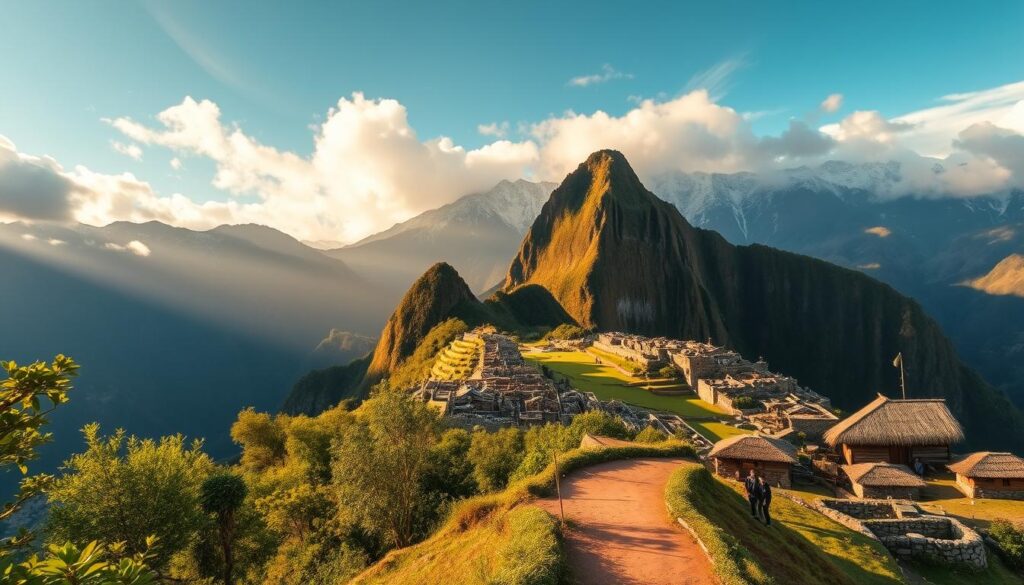
Transport to the Starting Point
Once you’re acclimatized, you’ll need to arrange transportation to the Lares Trek trailhead. Most tour operators will handle this for you, providing a seamless experience from Cusco to the starting point of your trek.
Last-Minute Preparations
Before you set off, double-check your gear and make any necessary purchases or adjustments. This is also a good time to review your itinerary and ensure you’re prepared for the adventure ahead, making the most of your machu picchu excursions.
- Confirm your flight and accommodation details.
- Check the weather forecast and adjust your packing list accordingly.
- Review your trekking gear and make any necessary adjustments.
Day-by-Day Breakdown of the Lares Trek
For those seeking an alternative to the Inca Trail, the Lares Trek offers a unique blend of natural beauty and cultural immersion. This four-day journey is a testament to the diversity of the Andean landscapes and the richness of local traditions.
Day 1: Beginning the Journey
The first day of the Lares Trek sets the tone for the adventure ahead. Starting from the village of Mollepata, you’ll begin your ascent into the Andes, surrounded by traditional villages and agricultural lands. The trail leads you through picturesque scenery, with the opportunity to interact with local communities, experiencing their way of life.
Day 2: Challenging Mountain Passes
Day two is often considered the most challenging, as you’ll be tackling the highest pass of the trek, Cuncaichaca Pass. At approximately 5,000 meters above sea level, the pass offers breathtaking views of the snow-capped mountains and alpine lakes. The sense of accomplishment upon reaching the pass is a highlight of the trek.
Day 3: Descending to the Sacred Valley
As you descend from the mountain pass, the landscape shifts dramatically, entering the Sacred Valley, an area known for its fertile agricultural land and traditional Andean villages. This day offers a chance to relax and acclimate to the lower altitude while enjoying the valley’s beauty.
Day 4: Arriving at Machu Picchu
The final day of the Lares Trek is a morning visit to the Sun Gate or a leisurely walk to Machu, Picchu, followed by a guided tour of the citadel. The experience of witnessing the sunrise over Machu, Picchu is unforgettable, making the early start worthwhile. After exploring the ruins, you’ll have time to absorb the history and significance of this iconic site.
The Lares Trek is an Andean mountain expedition like no other, offering a mix of adventure, cultural experiences, and breathtaking natural beauty. It’s an ideal choice for those looking to explore beyond the typical tourist trails.
Breathtaking Landscapes Along the Route
The Lares Trek is a gateway to some of the breathtaking landscapes in the Andes, offering an Andean adventure like no other. As you traverse through the Lares trekking routes, you’ll be treated to a diverse array of natural wonders.
Alpine Lakes and Glaciers
One of the highlights of the trek is the encounter with serene alpine lakes and majestic glaciers. These natural formations are not only visually stunning but also provide a glimpse into the geological history of the region.
Andean Flora and Fauna
The Lares Trek is home to a rich variety of Andean flora and fauna. The region’s unique biodiversity includes species that are found nowhere else on Earth, making it a fascinating experience for nature enthusiasts.
Photographic Opportunities
With its breathtaking landscapes, the Lares Trek offers endless photographic opportunities. From the majestic mountain peaks to the vibrant local flora, every moment is a chance to capture something truly special.
Geological Wonders
The trek also features several geological wonders, including unique rock formations and valleys carved by ancient rivers. Understanding the geological history of the area adds depth to the experience, highlighting the forces that have shaped these landscapes over millions of years.
| Landmark | Description | Photographic Opportunity |
|---|---|---|
| Alpine Lakes | Serene and majestic, reflecting the surrounding mountains. | High |
| Glaciers | Ancient ice formations, a testament to the region’s geological history. | High |
| Andean Flora | Vibrant and diverse, including unique species found only in the Andes. | Medium |
Embarking on the Lares Trek is not just about reaching a destination; it’s about immersing yourself in the natural beauty and rich cultural heritage of the Andean region. This Andean adventure promises to be an unforgettable experience.
Cultural Immersion: Connecting with Local Communities
The Lares Trek offers a unique opportunity to immerse yourself in the rich cultural heritage of the Andean communities. As you journey through the stunning landscapes, you’ll encounter vibrant local communities that have preserved their traditions for centuries.
Traditional Weaving Villages
One of the highlights of the trek is visiting traditional weaving villages, where you can witness the intricate craftsmanship of local artisans. These villages are a testament to the region’s rich textile heritage, with techniques passed down through generations.
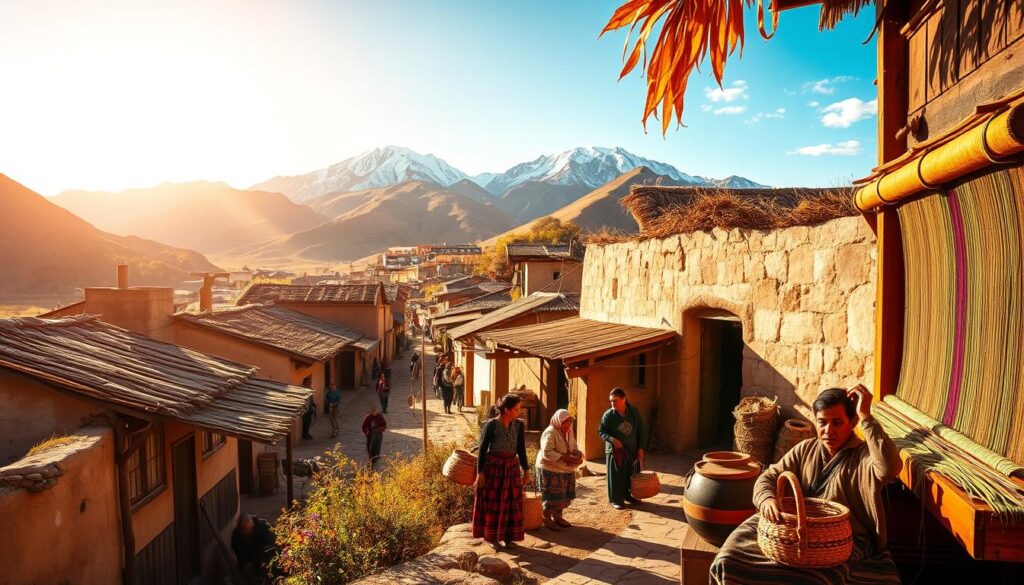
Local Cuisine and Farming Practices
The Lares Trek also offers a culinary journey, with local cuisine that reflects the region’s agricultural practices. You’ll have the opportunity to taste traditional dishes made from locally sourced ingredients, such as potatoes and quinoa.
| Local Ingredient | Traditional Dish |
|---|---|
| Potatoes | Papa a la Huancaina |
| Quinoa | Quinoa Soup |
Respectful Cultural Interaction
It’s essential to approach cultural interactions with respect and sensitivity. Learning a few basic Quechua phrases can go a long way in showing respect for the local culture.
Supporting Local Economies
By participating in local tours and purchasing handicrafts, you directly support the local economies. This not only enhances your experience but also contributes to the well-being of the communities you visit.
Tips for Supporting Local Economies:
- Purchase local handicrafts
- Participate in community-led tours
- Choose local accommodations
Accommodation and Dining During the Trek
When planning your Lares Trek, it’s essential to know what to expect from your accommodations and meal arrangements. The trek offers a range of options to suit different preferences and needs.
Camping Facilities
For those who enjoy the outdoors, camping is a significant part of the Lares Trek experience. Campsites are typically well-maintained, offering basic amenities. You’ll have the chance to sleep under the stars in the Andes, a truly unforgettable experience.
Lodge Options for Comfort Seekers
If camping isn’t your preference, there are lodge options available that offer more comfort. These lodges provide a warm bed and sometimes additional amenities like hot showers. They are a great way to experience the trek with a bit more luxury.
Meals and Dietary Considerations
Meals during the trek are typically hearty and designed to replenish your energy. Most tour operators cater to various dietary needs, including vegetarian and gluten-free options. It’s essential to inform your operator of any dietary restrictions ahead of time.
Bathroom Facilities and Hygiene
Bathroom facilities vary along the trek, with some areas having more basic setups than others. It’s crucial to maintain good hygiene practices, such as washing your hands frequently and using hand sanitizer when needed.
| Accommodation Type | Amenities | Cost |
|---|---|---|
| Camping | Basic | $50 per night |
| Lodge | Hot showers, comfortable beds | $100 per night |
Understanding your accommodation and dining options is key to enjoying your machu picchu excursions and overall peru travel experiences. By knowing what to expect, you can better prepare for the adventure ahead.
Exploring Machu Picchu: The Ultimate Reward
The ultimate reward for trekkers on the Lares Trek is exploring the ancient city of Machu Picchu. After days of traversing through the Andes, this majestic citadel is a breathtaking finale to the sacred valley treks journey.
Guided Tour Options
To fully appreciate the historical and cultural significance of Machu Picchu, opting for a guided tour is highly recommended. Knowledgeable guides provide insights into the history, architecture, and legends surrounding this ancient Inca city. They can also help navigate the site efficiently, ensuring that visitors make the most of their time.
Must-See Structures and Features
Machu Picchu is replete with intriguing structures, each with its own story. The Sun Gate, Room of the Three Windows, and the Intihuatana Stone are among the must-see attractions. Understanding the purpose and history behind these structures enhances the overall experience.
«Machu Picchu is not just a place, it’s an experience that connects you with the history and the land.»
Photography Tips at the Ancient Citadel
Capturing the beauty of Machu Picchu requires some planning. Early morning and late afternoon are ideal times for photography due to the soft, golden light. Using a polarizing filter can help reduce glare and enhance the colors of the landscape and structures.
Avoiding Crowds and Peak Times
To avoid the crowds, consider visiting Machu Picchu during the shoulder season or opting for an early entry ticket. Being at the site before 8 am allows for a more serene experience and better photo opportunities.
The Historical Significance
Machu Picchu, an andean mountain expeditions marvel, is a testament to the ingenuity and skill of the Inca civilization. Its historical significance extends beyond its architecture to represent the spiritual and cultural practices of the Incas. Understanding this context enriches the experience of visiting this UNESCO World Heritage site.
Conclusion: Why the Lares Trek Should Be Your Next Adventure
Embarking on the Lares Trek to Machu Picchu is an unforgettable experience that allows you to conquer the Andes and immerse yourself in the rich cultural heritage of the region. This Andean adventure offers a unique blend of breathtaking landscapes, traditional communities, and thrilling hiking experiences.
As you’ve explored in this article, the Lares Trek is a journey that takes you through stunning alpine lakes, glacial valleys, and picturesque villages, providing ample opportunities to connect with local communities and learn about their customs and traditions. By choosing this trek, you’ll not only be rewarded with unforgettable memories but also contribute to the local economy and support sustainable tourism practices.
Whether you’re an experienced hiker or looking for a new challenge, the Lares Trek to Machu Picchu is an adventure that promises to leave you in awe of the natural beauty and cultural richness of the Andean region. So, start planning your Conquer the Andes: Lares Trek to Machu Picchu journey today and get ready for an Andean adventure of a lifetime.